Most Americans insure the things they own: Their homes. Their cars. Their phones. Their belongings. But many overlook the asset that makes all of those things possible: their paycheck.
For millions of workers, a paycheck is more than a source of income. It’s the foundation of financial stability. It pays the mortgage, keeps food on the table, funds retirement accounts, supports children’s education, and helps families achieve long-term goals.
Yet surprisingly few workers have a plan for what would happen if that paycheck suddenly stopped.
Your Income Is Your Most Valuable Asset
When people think about protecting their finances, they often focus on accumulating wealth. Saving for retirement, investing, and paying down debt are all important parts of financial planning.
But before wealth can be built, income must be earned.
Over the course of a career, a worker may earn hundreds of thousands—or even millions—of dollars in income. For many households, future earning potential is their largest financial asset.
The question is simple:
What would happen if you couldn’t work for weeks, months, or even longer because of an illness or injury?
Many workers have never seriously considered the answer.

The Financial Reality of an Unexpected Disability
Most people assume that disability is something that happens to someone else.
They imagine catastrophic accidents or severe medical conditions that affect only a small percentage of the population.
In reality, disabilities often result from common health issues such as cancer, heart disease, back injuries, musculoskeletal disorders, or complications from chronic illnesses.
The financial consequences can be significant.
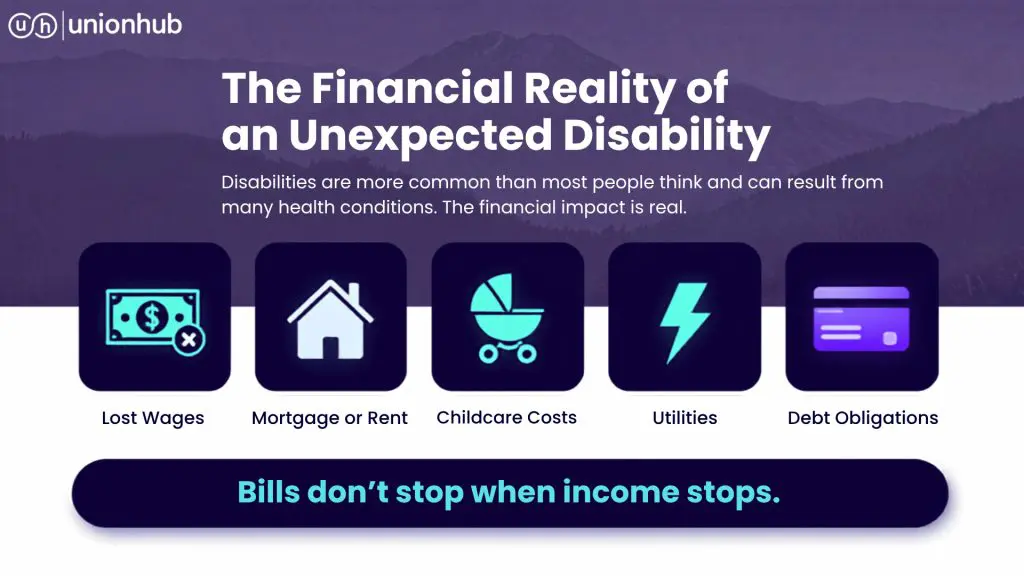
While medical bills may be partially covered by health insurance, many workers face additional challenges:
- Lost wages
- Ongoing household expenses
- Mortgage or rent payments
- Childcare costs
- Utility bills
- Debt obligations
Unfortunately, these expenses don’t pause simply because someone is unable to work.
Why Emergency Savings Alone May Not Be Enough
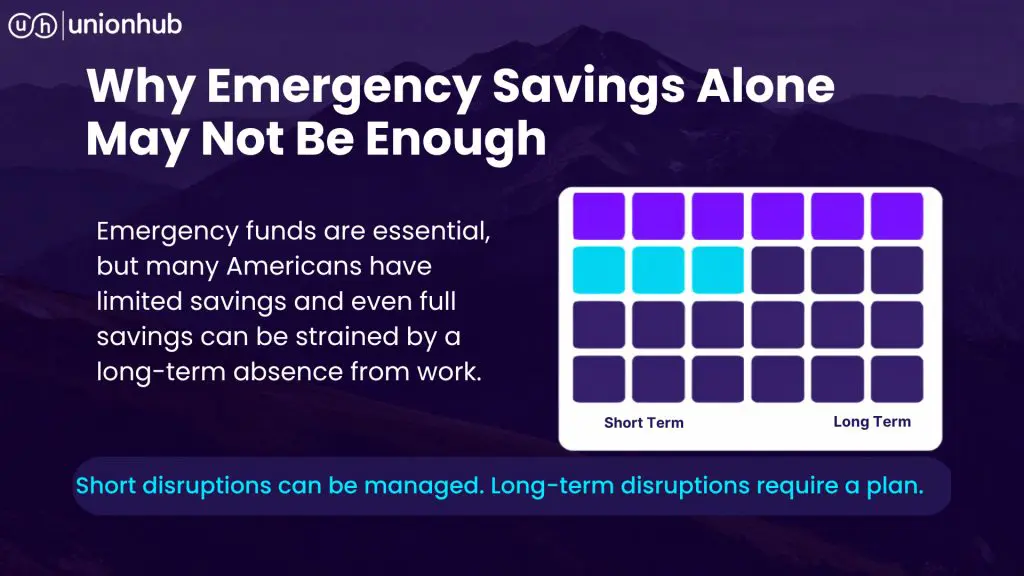
Financial experts often recommend maintaining an emergency fund. That’s excellent advice.
However, many Americans have limited emergency savings, and even well-funded emergency accounts can be strained by a prolonged absence from work.
A short-term financial disruption may be manageable. A long-term interruption can become much more difficult. This is why financial resilience involves more than saving money. It also means preparing for events that could impact your ability to earn income.
Building a Paycheck Protection Strategy
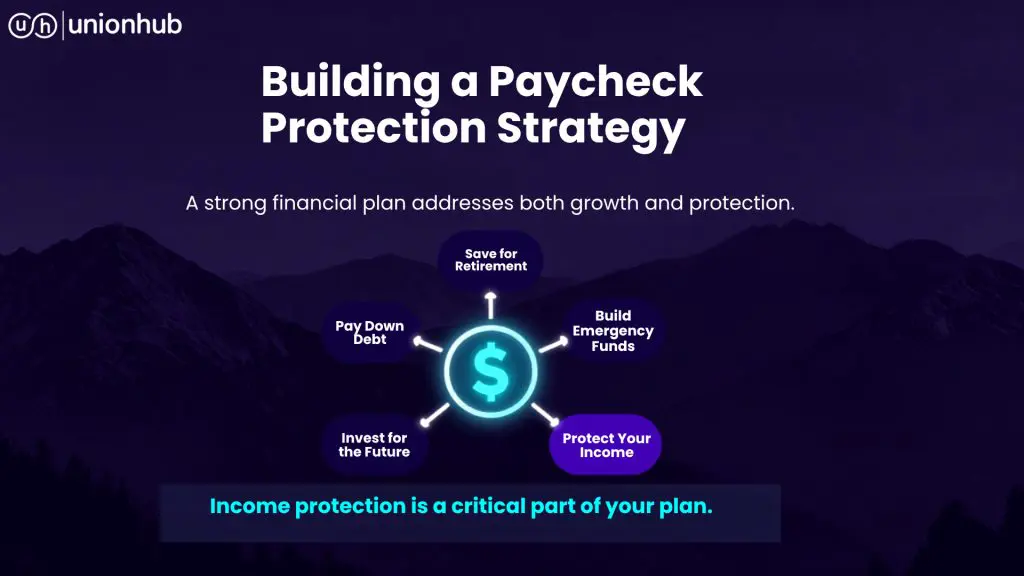
A strong financial plan addresses both growth and protection.
Workers regularly think about:
- Saving for retirement
- Paying down debt
- Building emergency funds
- Investing for the future
Income protection deserves a place on that list.
Benefits such as disability insurance are designed to help provide financial support when workers are unable to earn their regular income due to a covered illness or injury. While every situation is different, the goal is the same: helping families maintain financial stability during difficult times.
Peace of Mind Has Real Value
Financial planning isn’t only about numbers. It’s also about confidence. Knowing that you have a plan in place can reduce stress and uncertainty when life takes an unexpected turn.
No one expects to become sick or injured. No one plans for a health event that disrupts their career. But preparing for possibilities is one of the smartest financial decisions a worker can make.

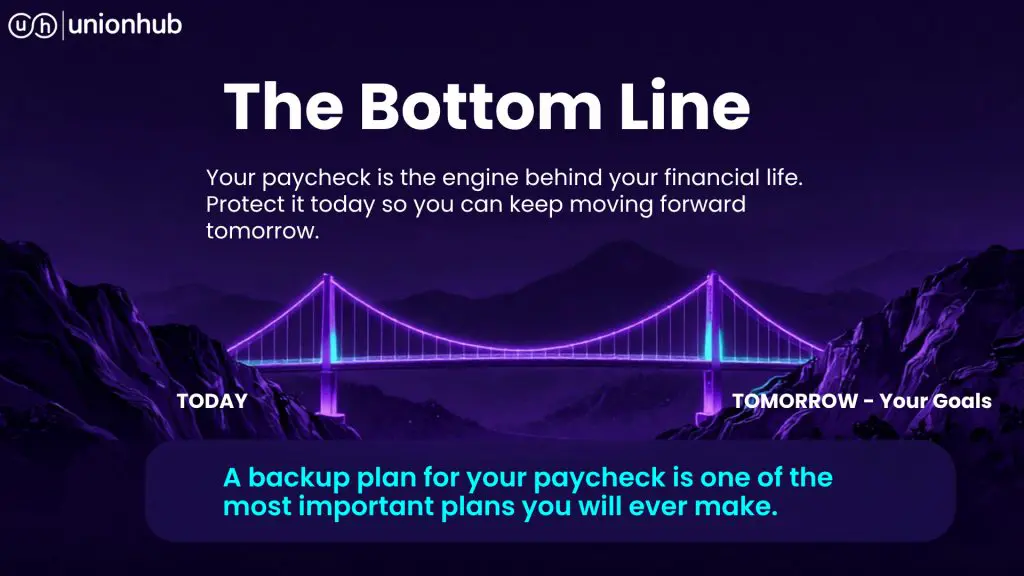
The Bottom Line
Most people insure their possessions because replacing them would be expensive. But the ability to earn a living is often worth far more than any physical asset.
A paycheck powers nearly every financial goal a family hopes to achieve. Protecting that income isn’t just an insurance decision—it’s a financial wellness decision. Because when it comes to financial security, having a backup plan for your paycheck may be one of the most important plans you’ll ever make.