Ask most Americans about their biggest financial concern, and retirement will likely be near the top of the list. It’s understandable.
For decades, financial experts have encouraged workers to save early, invest consistently, and prepare for life after their careers end. Retirement planning has become one of the cornerstones of financial wellness. But while many workers focus on the future, there’s another financial risk that often receives far less attention:
The risk of losing income before retirement ever arrives.
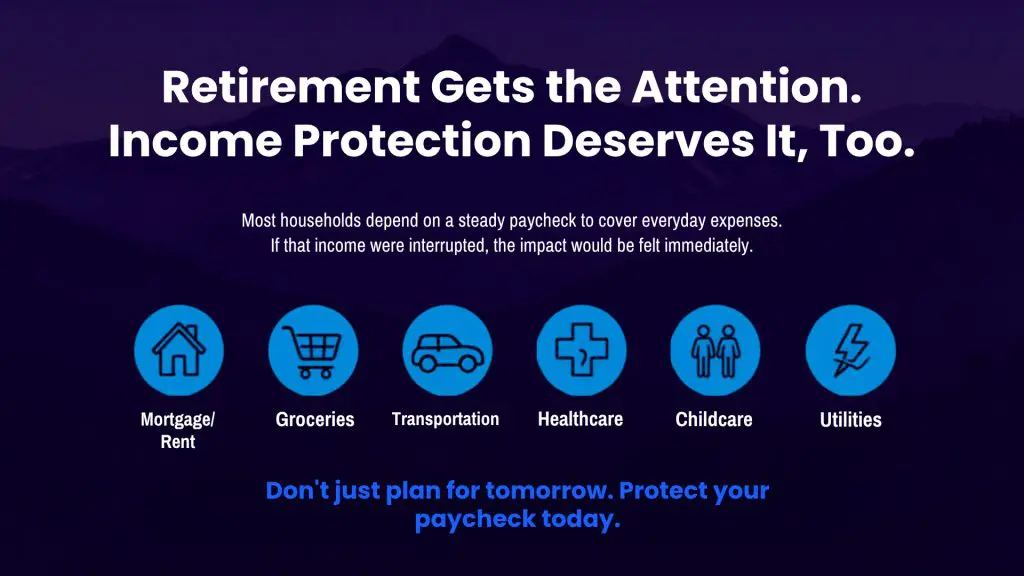
Retirement Gets the Attention. Income Protection Deserves It, Too.
Retirement planning is important because it prepares workers for a future when they choose to stop working. Income protection addresses a different challenge entirely. What happens if you’re unable to work unexpectedly?
Most households depend on a steady paycheck to cover everyday expenses. Mortgage payments, rent, groceries, utilities, childcare, transportation, and healthcare costs all rely on consistent income.
When that income stops, even temporarily, financial stress can build quickly. Yet many workers spend years planning for retirement while spending little time considering how they would manage an interruption in earnings today.
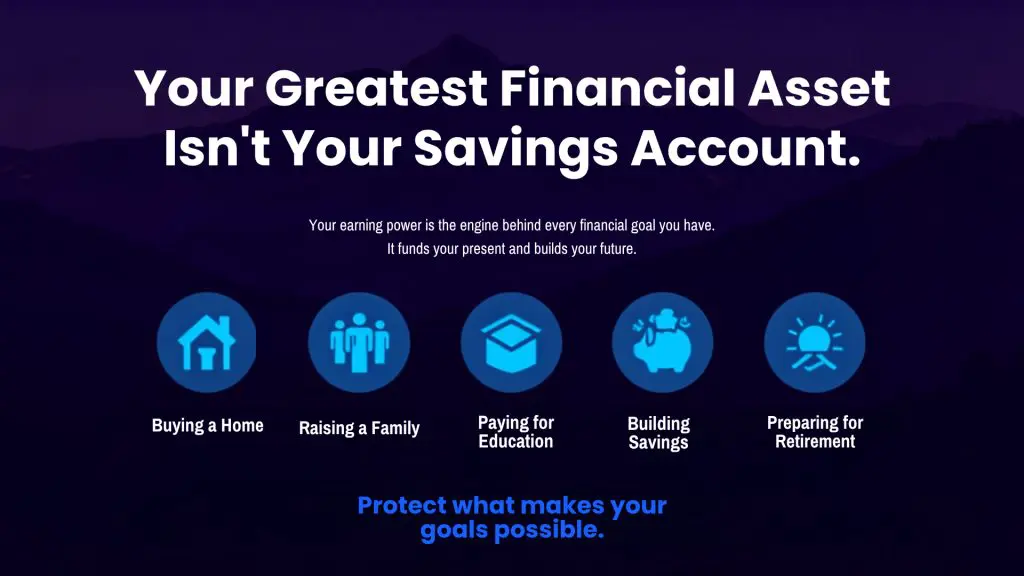
Your Greatest Financial Asset Isn’t Your Savings Account
Many people think of their home, retirement account, or investment portfolio as their most valuable asset. In reality, for many working Americans, their ability to earn income is worth far more. Consider the value of decades of future earnings. Over the course of a career, that income can total hundreds of thousands—or even millions—of dollars.
That earning power funds nearly every major financial goal:
- Buying a home
- Raising a family
- Paying for education
- Building savings
- Preparing for retirement
Without income, achieving those goals becomes significantly more difficult.
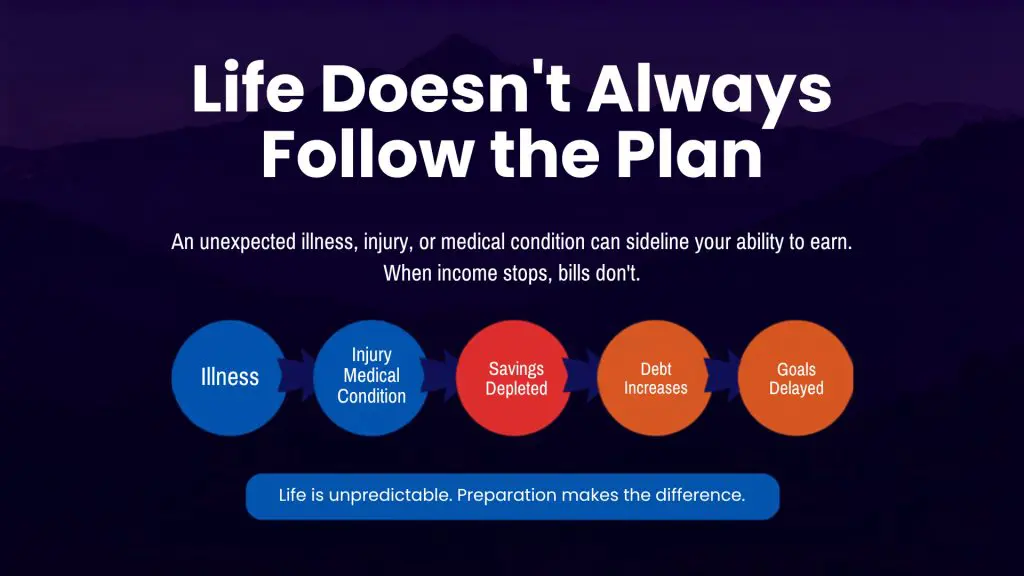
Life Doesn’t Always Follow the Plan
Most financial plans assume a relatively predictable path:
Work. Earn. Save. Invest. Retire.
But real life is rarely that straightforward. Unexpected illnesses, injuries, and medical conditions can affect workers of any age. While many people associate disability with severe accidents, some of the most common causes involve health conditions such as cancer, heart disease, back disorders, and chronic illnesses.
These situations don’t just create medical challenges. They often create financial challenges as well. When income is reduced or interrupted, families may be forced to rely on savings, take on debt, or postpone important financial goals.
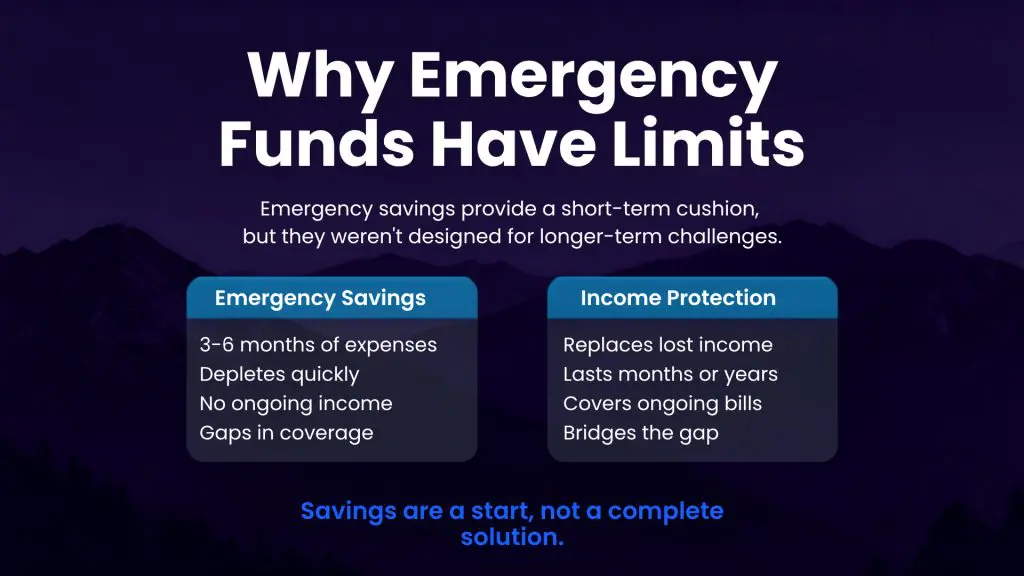
Why Emergency Funds Have Limits
Emergency savings are one of the most important tools in personal finance. They provide a cushion against unexpected expenses and short-term disruptions. But many financial setbacks last longer than people expect.
A few months of savings can be incredibly valuable, yet a prolonged absence from work may require additional resources and planning. That’s why financial resilience is about more than accumulating savings. It also involves understanding potential risks and considering strategies that help protect income.
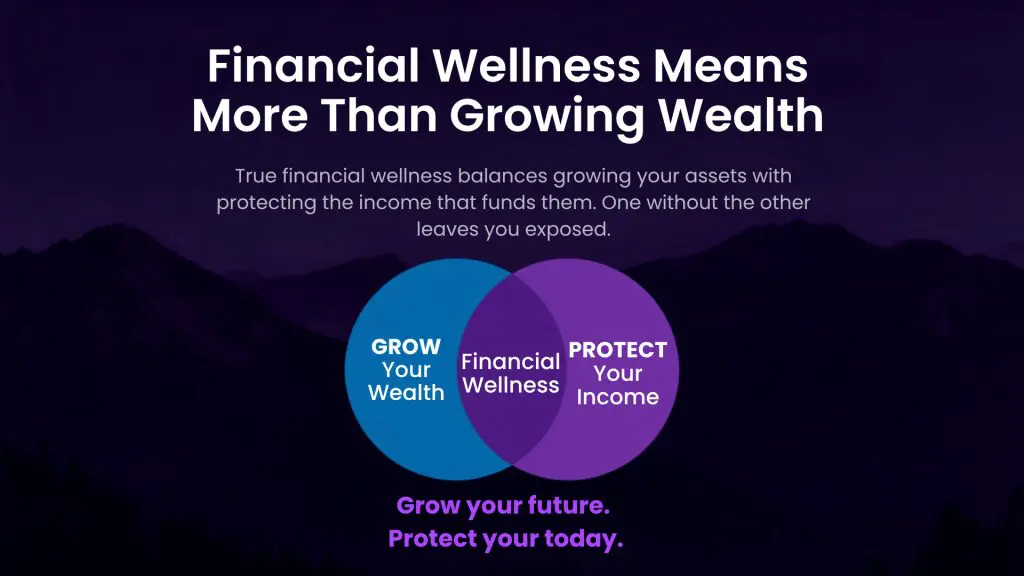
Financial Wellness Means More Than Growing Wealth
Much of the financial wellness conversation focuses on accumulation:
- Save more.
- Invest more.
- Build wealth.
- Prepare for retirement.
These are worthwhile goals. But true financial wellness also includes protection. Before wealth can grow, it must be preserved.
Protecting income, managing risk, and preparing for unexpected life events are all essential parts of a healthy financial foundation.
A More Balanced Approach to Financial Planning
Retirement planning and income protection are not competing priorities. They work together. Saving for the future remains important. But protecting the income that makes those savings possible deserves equal consideration.
Benefits such as disability insurance, critical illness coverage, and life insurance exist for a simple reason: to help workers and their families navigate unexpected challenges without completely disrupting their financial lives.
The goal isn’t to predict the future. It’s to be prepared for it.
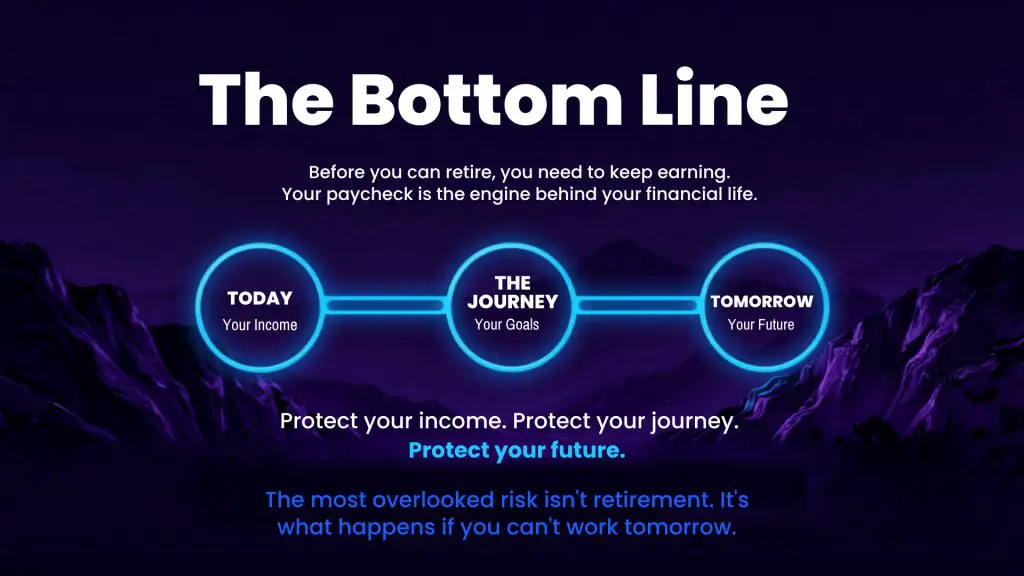
The Bottom Line
Retirement may be one of the biggest financial goals most workers will ever pursue. But before retirement comes decades of earning, saving, and building a life. Protecting that journey is every bit as important as preparing for its destination.
The most overlooked financial risk facing American workers isn’t what happens after they stop working. It’s what happens if they can’t work tomorrow. And that’s a risk every worker should understand.